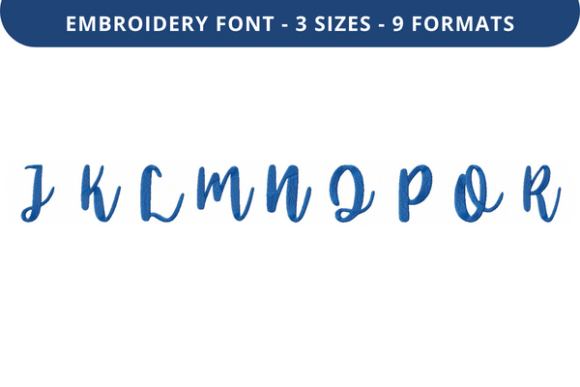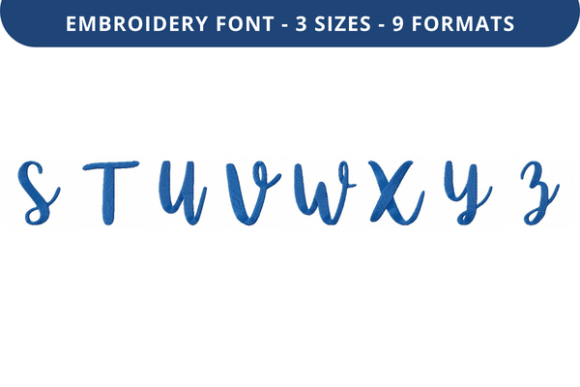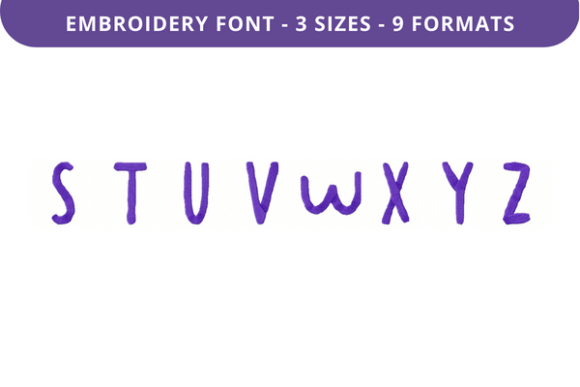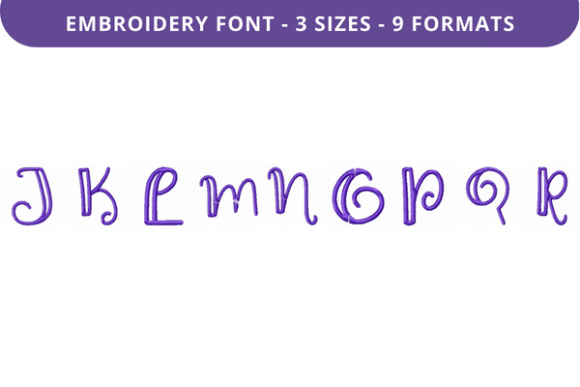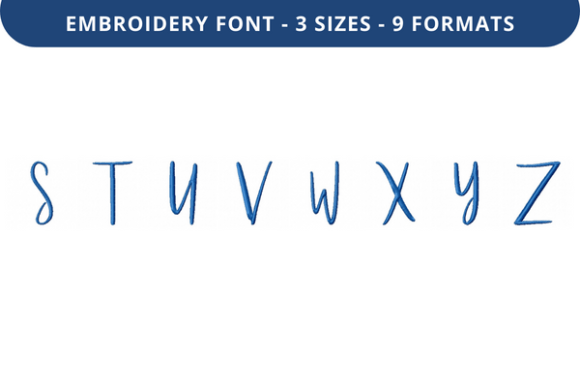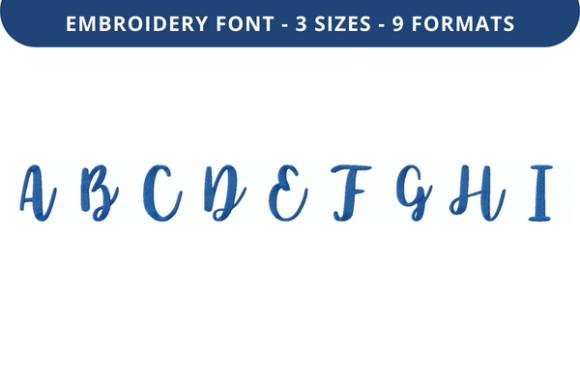
Like You a Lot Font Uppercase A to I
A Friendly, Approachable Font That Builds Brand Warmth
As an embroidery designer who’s developed hundreds of commercial designs for small businesses—from neighborhood bakeries to indie florists—I immediately recognized Like You a Lot Font Uppercase A to I as something special. The name alone signals warmth and sincerity, and the uppercase-only, all-caps presentation suggests clarity, confidence, and intentional simplicity. It doesn’t scream “trendy” or “minimalist”—it feels genuinely human: friendly without being childish, clean without feeling sterile, and handmade without looking amateurish. For small business merch, that balance is rare—and invaluable.
Where This Font Shines in Real Business Applications
Like You a Lot Font Uppercase A to I excels where personality meets practicality. Think embroidered patches sewn onto aprons at a local café—its open letterforms breathe well on cotton twill, and its consistent stroke weight holds up under daily wear and repeated washing. On staff caps? Yes—especially when used for subtle side-embroidery or back-strap accents. Its generous x-height and moderate kerning make it legible even at 1.5 inches tall, which is critical for cap embroidery where space is tight and curvature distorts lettering.
For boutique merchandise like tote bags or reusable produce sacks, this font adds charm without clutter. Unlike overly decorative scripts or ultra-thin fonts, Like You a Lot Font Uppercase A to I maintains readability at medium scale (2–3 inches wide), making it ideal for chest logos on work shirts or sleeve details on branded uniforms. It also pairs beautifully with simple icons—a tiny coffee cup, floral sprig, or paw print—to create cohesive design assets for pet brands, studios, or craft-based Etsy sellers.
In the Back To School context, it’s unexpectedly versatile: think personalized lunchbox patches for kids’ gear, embroidered name tags on backpacks, or teacher appreciation totes. Its upbeat tone reinforces connection—not just utility—making it perfect for educational small businesses that value approachability over authority.
Smart Placement Matters: Where to Use It Thoughtfully
While Like You a Lot Font Uppercase A to I is highly adaptable, it’s not universally scalable. Avoid using it below 0.75 inches in height for embroidered patches—tight curves and interior negative space (like inside the “O” or “A”) may collapse or fill in during stitching, especially on textured fabric or with lower-density stabilizer. On curved surfaces like cap fronts, test spacing first: letters may appear uneven if digitized without curve compensation.
Dark uniforms demand extra attention. Because this font relies on shape recognition rather than extreme contrast, ensure your thread colors offer sufficient visual pop—navy + cream works; black + charcoal does not. Likewise, high stitch density settings can mute its airy feel, so dial back density slightly when embroidering on lightweight knits or linen blends. Always inspect spacing between letters in your embroidery file preview—some uppercase fonts crowd “A” and “I” or “T” and “O,” which impacts professionalism in final output.
How It Strengthens Your Brand Identity
For small business owners, every embroidered detail contributes to perceived trust and cohesion. Like You a Lot Font Uppercase A to I supports brand identity by projecting consistency *and* character. It says, “We care about quality, but we’re not stiff about it.” That nuance builds customer engagement—shoppers remember how a brand *feels*, not just what it sells. A bakery using this font on aprons and product labels signals warmth and authenticity, differentiating it from competitors using generic sans-serifs or overused script fonts.
It also elevates perceived product value. Handmade products gain credibility when paired with thoughtful, well-digitized embroidery—Like You a Lot Font Uppercase A to I reads as intentional, not templated. When used across multiple touchpoints (tote bag design, cap embroidery, apron embroidery), it creates visual rhythm that strengthens recognition—even before customers see your logo.
Practical Designer Notes Before You Stitch
- Always test in black and white first. Simulate how thread color shifts affect legibility—especially on dark or heathered fabrics.
- Check patch size compatibility. Run a 1-inch test patch on your target fabric to confirm interior spaces remain open and edges stay crisp.
- Review spacing and stitch direction. Look for potential nesting issues between letters like “A” and “I”—tight spacing may cause thread buildup.
- Confirm hoop size and stabilizer needs. This font’s clean lines usually perform well with medium-weight cutaway stabilizer on midweight cotton, but always test on your actual garment fabric.
- Create a printable mockup for client approval—show how Like You a Lot Font Uppercase A to I integrates with existing branding elements (logo, icon, color palette) before digitizing or stitching.
- Compare alongside other design assets. Does it harmonize with your current machine embroidery design library—or does it stand out too much?
- Verify commercial licensing. Since this is intended for small business merch and custom apparel, ensure your digital embroidery file includes rights for resale, promotional use, and commercial embroidery projects.
Final Thoughts for Merch Creators and Embroidery Shops
Like You a Lot Font Uppercase A to I isn’t just another embroidery file—it’s a brand-building tool. It bridges the gap between handmade charm and professional polish, making it ideal for small business owners who want their merch to reflect authenticity *and* attention to detail. Whether you're sourcing for a local florist’s gift totes, digitizing for a pet brand’s collar tags, or building a full uniform program for a creative studio, this font delivers consistent, engaging results.
Just remember: great embroidery starts long before the needle moves. Take time to test, compare, and align Like You a Lot Font Uppercase A to I with your real-world production workflow. When done right, it won’t just say “Like You a Lot”—it’ll make your customers feel it.