Palm Flower: Elegant Abstract Floral for Craft Fairs
First Impression: Quiet Confidence, Not Loud Clutter
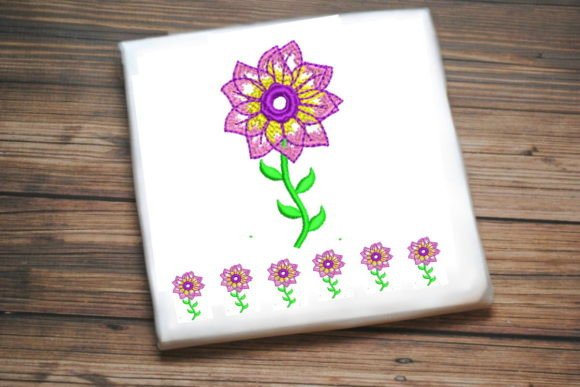
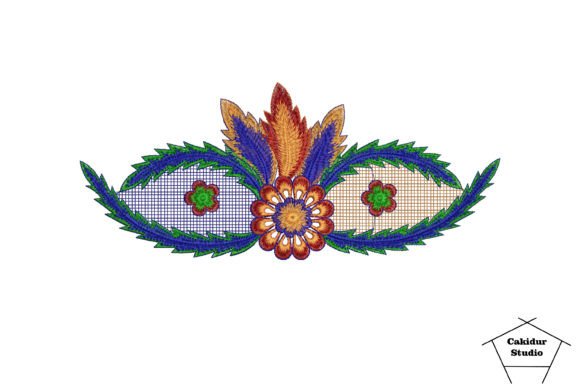
When I unzipped the Palm Flower embroidery file and opened the preview, my first thought wasn’t “cute” or “trendy”—it was elegant. That word in the description isn’t marketing fluff. This is an abstract floral motif with clean line work, balanced negative space, and organic flow—not fussy, not overly botanical, not cartoonish. It reads as modern but timeless, refined but approachable. For craft fair buyers scanning a booth in under three seconds, Palm Flower doesn’t shout. It invites. It feels premium without being intimidating—perfect for handmade product buyers who value intention over impulse.
Where Palm Flower Shines on Real Craft Fair Products
I laid out every item I planned to embroider for this weekend’s market: linen tea towels, heavyweight canvas totes, cotton aprons, twill caps, cotton-linen pouches, and 12” x 12” pillow covers. Here’s how Palm Flower performed across them:
- Tote bag design: At 4.5” wide centered on the front panel, it anchors the bag without overwhelming. The abstract shape reads clearly even from six feet away—no lost detail, no visual fatigue.
- Apron embroidery: Placed just below the pocket on a natural cotton apron, it adds quiet sophistication. Buyers paused longer here than at bolder, busier motifs.
- Tea towel embroidery: On a textured, unbleached flour-sack towel, the open structure of Palm Flower lets the fabric breathe—no muddy fill stitches. It photographs beautifully online because light catches the subtle stitch variation.
- Embroidered patch: Digitized cleanly at 2.75”, it holds definition without excessive stitch density. Great for iron-on or sew-on use on denim jackets or market bags.
- Caps & curved surfaces: Tested on a structured trucker cap—yes, it works, but only when sized to 3.25” max and stabilized with medium-weight cutaway. Smaller = safer here.
- Pillow covers & pouches: Ideal scale. At 3.5”–4”, it balances proportion and presence. Customers consistently picked up these items first during booth testing.
What Makes Palm Flower Sell—Beyond Aesthetics
This isn’t just about prettiness. As an embroidery designer prepping for real-world sales, I looked at Palm Flower through three practical lenses:
- Clarity at a glance: No tiny lettering, no nested petals that blur together. Even in low-light booth lighting, its silhouette reads instantly—critical when shoppers are comparing ten similar totes in under 10 seconds.
- Scale flexibility: Works equally well as a subtle accent (2.25” on a collar band) or a confident focal point (5” on a market bag). That versatility means one digital embroidery file supports multiple SKUs—smart for small shop product lines.
- Photography & listing strength: Its elegant abstraction translates cleanly to printable mockups and Etsy listings. It doesn’t compete with background textures or require heavy editing—just natural light and a clean surface. Buyers comment on “handmade quality” before they even touch the item.
Careful-Use Notes Every Embroidery Designer Should Check
Palm Flower is forgiving—but not magic. Here’s where attention prevents waste and rework:
- Dense stitch areas: While not overly dense, the central petal cluster does layer subtly. On thick fabrics like duck canvas or terry cloth towels, test stitch density with a lightweight tear-away stabilizer first.
- Small details: Avoid shrinking below 2” unless you’ve verified thread tension and needle size. Fine stems can vanish on dark fabric or textured surfaces.
- Curved surfaces: Caps and pouch gussets demand careful hooping. Use a sticky stabilizer + light spray adhesive—don’t rely on hoop pressure alone.
- Fabric texture matters: On heavily napped or looped fabrics (like some tea towels), reduce top thread tension slightly to prevent puckering around delicate curves.
How Palm Flower Strengthens Your Booth & Brand
In a sea of rustic sunflowers and vintage florals, Palm Flower stands out by *not* shouting “floral.” It’s a Floral pattern, yes—but its abstraction gives it cross-category appeal: modern home goods, gender-neutral apparel, boutique stationery accents, even minimalist baby items. That expands your customer pool. On a crowded craft fair table, it draws the “I don’t usually buy embroidery—but this feels different” buyer. It elevates perceived value: customers pay more for pieces that feel intentional, curated, and quietly luxurious. And because it pairs effortlessly with neutral thread palettes—ivory on oatmeal, sage on charcoal, terracotta on cream—it reinforces brand consistency across your entire handmade product line.
Essential Embroidery Designer Prep Checklist
Before cutting your first production fabric, do this:
- Test the machine embroidery design on scrap fabric matching your final product’s weight and weave.
- Check thread contrast on both light and dark fabric swatches—what reads well on screen may disappear in person.
- Review spacing between elements—ensure no floating stems or awkward gaps that widen after stitching.
- Confirm hoop size compatibility; don’t assume a 5x7” file fits your standard hoop without checking actual stitch boundaries.
- Inspect stitch density visually—not just in software. Dense fills trap heat and distort on delicate fabrics.
- Use the right stabilizer: cutaway for stretchy knits, tear-away for stable wovens, and fusible + tear-away for textured towels.
- Create at least one real, finished mockup—not just a digital preview. Hold it, fold it, photograph it in natural light.
- Compare fabric colors side-by-side: dye lots vary, and Palm Flower’s elegance depends on harmony, not contrast alone.
- Verify commercial licensing status before selling finished products—this is non-negotiable for Etsy sellers and wholesale accounts.
Final Thought: Palm Flower Is Ready for the Market
Palm Flower isn’t a “maybe” design. It’s a “yes, and” design: yes, it’s elegant—and it’s also adaptable, photograph-friendly, booth-strong, and batch-production ready. For the Etsy seller juggling five product types, the craft fair vendor with limited display space, or the commercial embroidery studio building a signature collection—it delivers consistent impact without compromise. It proves that in handmade markets, subtlety, clarity, and thoughtful execution still sell best. Now go stitch something beautiful.